From Gucci to Louis Vuitton, New York’s fake luxury goods highlight a rising counterfeit market
- Footwear, clothing and leather goods dominate a US$509 billion global market for imported fakes, with most of it from Hong Kong and mainland China
- Efforts to clamp down on sales in places like New York’s Chinatown appear to be half-hearted, with the focus being on solving more serious crimes
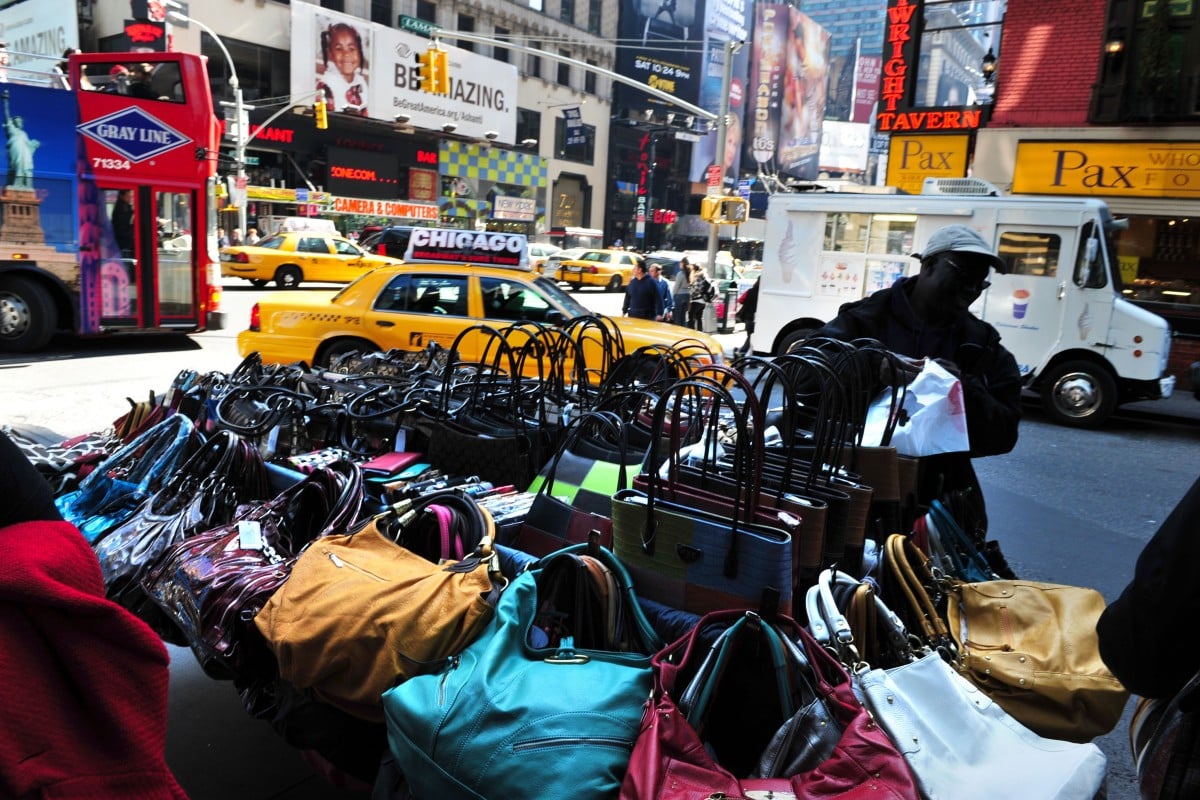
On the narrow streets of New York’s Chinatown, vendors carry black plastic bags under their arms and shout out names of luxury brands. Tourists gather around, peering curiously into the bin liners. Inside are items such as signature Gucci Supreme messenger bags with US$30 price tags, a steep discount on the US$850 cost of an original.
Karlin Chan, a Chinatown native and community activist, says the neighbourhood has changed significantly over the past 30 years – for better and for worse. On the plus side there is gentrification, he says, which has seen the arrival of art galleries and hipster coffee shops. But counterfeit-goods vendors have become more brazen, stepping out of the shadows and plying their wares in broad daylight.
On a peak day there can be as many as 300 street vendors peddling fake goods in Chinatown, Chan says, ranging from handbags to watches and of variable quality.
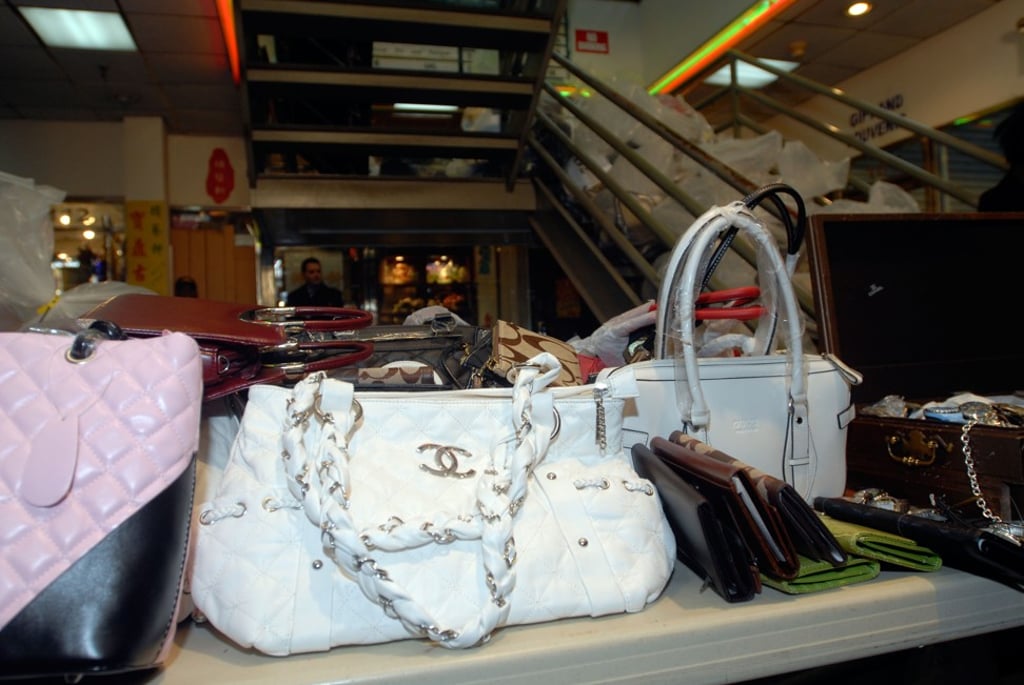
The report values the market for imported fakes at US$509 billion, up from US$461 billion in 2013. It does not include counterfeit goods domestically produced and consumed, or those sold over the internet.
By contrast, French multinational LVMH, which owns luxury brands including Celine, Dior, Givenchy and Louis Vuitton, reported revenues of around US$53 billion in 2018.