Advertisement
Opinion
TikTok made me (not) buy it: my cabinet is full of ‘viral’ beauty products I didn’t actually need – and the de-influencers aren’t helping
- The rise of TikTok and its beauty hacks, tips and products made us all experts overnight – and filled our cabinets with items once used and quickly forgotten
- We then embraced de-influencing – posting negatively about something – but is it, as one expert says, simply ‘another stop on the marketing push-pull cycle’?
4-MIN READ4-MIN

Many of us didn’t know what contouring – a make-up technique first used by drag queens to accentuate their cheekbones – was before the pandemic.
We certainly didn’t know we needed to “double cleanse” at night or finish off with an “occlusive” – meaning to slather Vaseline over your serums and creams to seal them in, a word none of us had ever heard before 2020.
But boredom, coupled with the rocket rise of TikTok beauty, made us all experts (or victims) overnight.
Advertisement
Suddenly packages arrived daily, filled with snail mucin that promised to make us look like the flawless-faced influencers whose accounts we slavishly followed. It has all worked a treat – for business, that is.
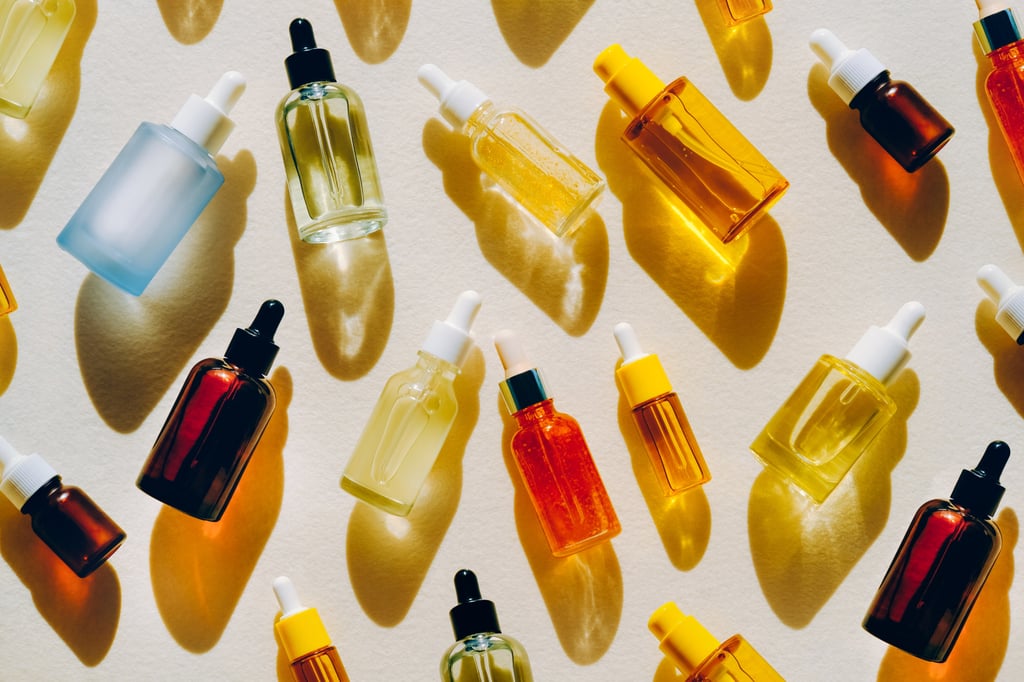
According to online statistics database Statista, the global beauty industry will be worth US$571.1 billion this year, meaning year-on-year growth will hit eight per cent – the fastest annual rate in 13 years.
Advertisement
Jago Sherman, head of strategy at the social marketing agency Goat, says the beauty influencer market alone is worth US$16 billion. Layer into that the fact that many brands spend most of their marketing budget on influencers, and you rapidly work out why your bathroom cabinet is full of unopened products.
Advertisement
Select Voice
Select Speed
1.00x