How stratospheric balloon flights could be about to redefine space tourism

SpaceX, Blue Origin and Virgin Galactic brought rocket-powered space tourism – these start-ups are promising a more serene ride
For many would-be intergalactic tourists, space isn’t the final frontier – Earth is. Frankly, space tourism has, to date, been the preserve of pop stars and the billionaire class, and that’s even with the likes of Blue Origin, Virgin Galactic and SpaceX expanding access to space as never before. But what if there was a more affordable way of getting to space – or, at least, to the very edge of it?
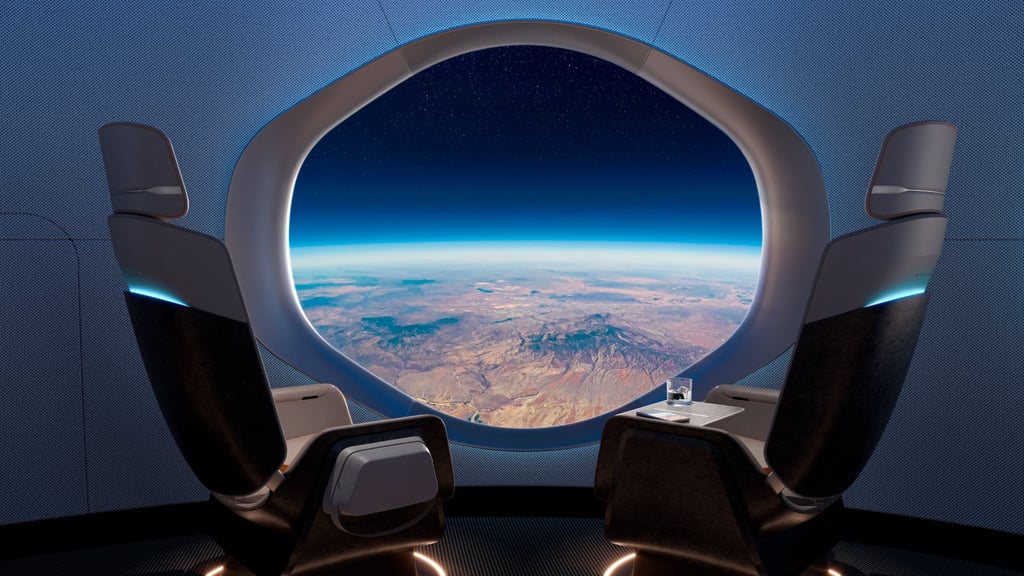
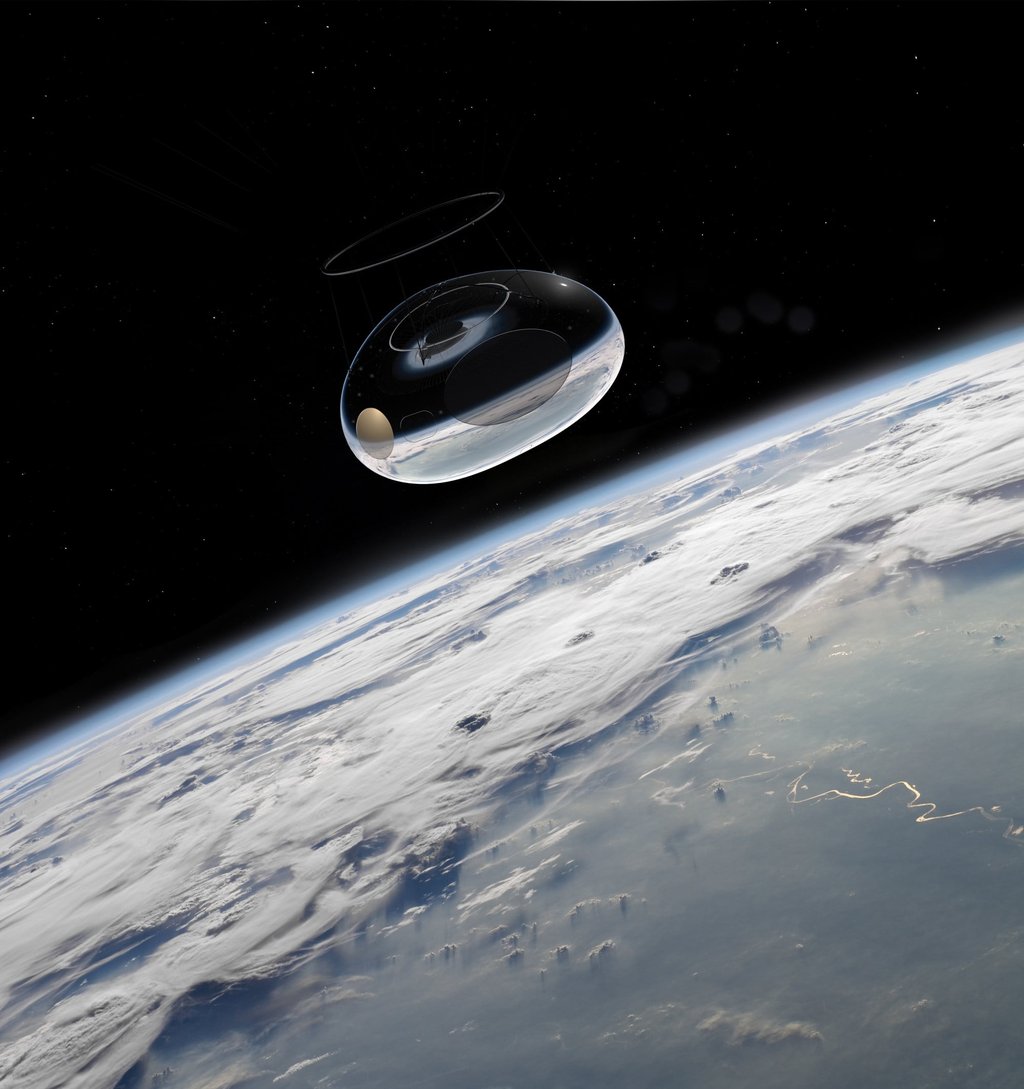
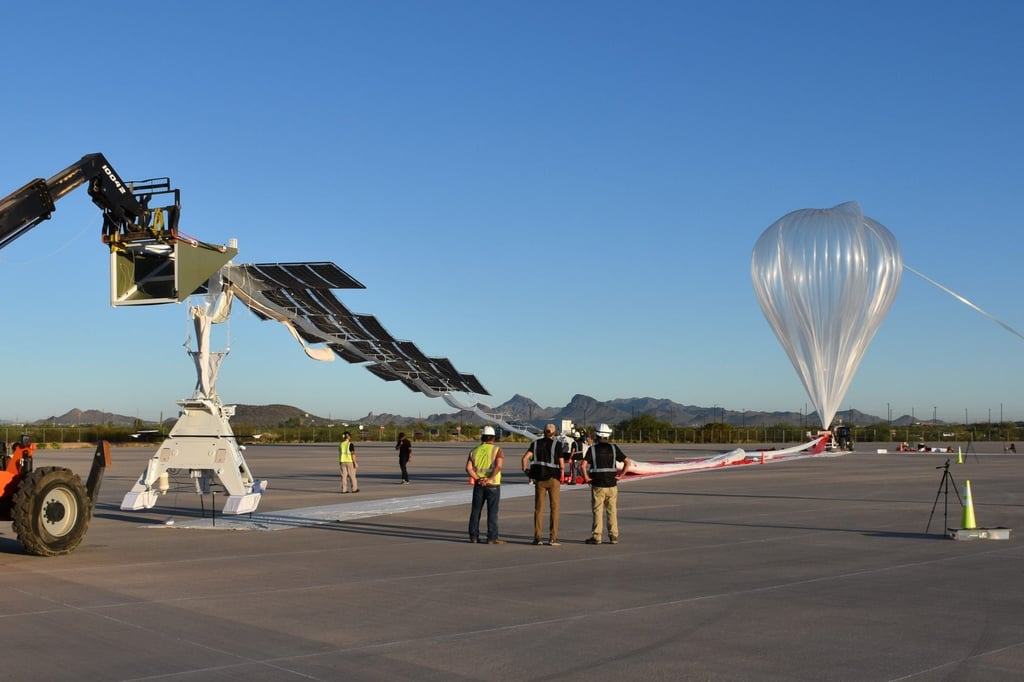
That’s the premise behind a number of companies now test-flying gigantic, football-field-sized stratospheric balloons that will lift pressurised, lounge-like capsules – each carrying one or two pilots and six to eight passengers – high enough to see the infinite blackness of space in one direction and the curvature of the Earth in the other. Reaching 25-30km above Earth, they soar well above commercial airliners, which cruise at about 10km above the ground.
According to Vincent Farret d’Astiès, the aeronautical engineer behind Zephalto – which works in collaboration with the European Space Agency and Airbus, and expects commercial flights to begin next year – the aim is to democratise space tourism, even if tickets will cost more than US$130,000 a pop.
“For one thing, there’s no physical requirement for passengers to be able to fly – anyone can do it,” Farret d’Astiès explains. “There are no g-forces from violent acceleration, no vibrations or incredible noise to contend with [as with a rocket launch]. No training is required. And, as with the first airline flights, we expect prices to drop as more people take flights. We really want to be able to send up as many people as possible.”
To date, space tourism has generally meant a suborbital flight providing only a few minutes in space and a brief view of Earth from a relatively small window, notes Carlos Mira, CEO of Halo Space, a start-up aiming for commercial operations by 2029. A space balloon ascends and descends at a gentle 10-15km/h, spending several hours in between floating at apogee, the highest point in the balloon’s flight. Passengers will take in the sights through the capsule’s panoramic windows from the comfort of a well-appointed interior, without experiencing weightlessness. And while fewer than 150 space tourists have been fired up in a rocket so far, Mira plans to operate some 400 balloon flights, carrying about 3,000 passengers, from locations all around the world each year. He believes the results could even be transformational.
“People talk about the ‘overview effect’ – how going to space is said to profoundly change the way you think about the Earth and our place on it. And Frank White [the philosopher who coined the term in the 1980s] has told us he’s convinced that giving that to so many more people will have a real impact on society,” Mira enthuses. “I’m certainly very eager to find out for myself.”
That may be reassuring to anyone thinking that travelling to the edge of space under a balloon sounds dangerous.
But not only are these start-ups designing their systems with fail-safes at every level, including backup parachutes – indeed, some space balloons deploy steerable parachutes as part of their landing procedure – they also point out that, contrary to public perception, stratospheric balloons are a tried-and-tested technology.