South Korea adds ‘extreme heat emergency’ to first major alert update in 18 years
Over the past five years, the average number of heatwave days and tropical nights has surged nearly threefold compared to the 1970s

On Wednesday, the Korea Meteorological Administration announced a sweeping overhaul of its national weather warning system, the first major restructuring in nearly two decades.
The centrepiece of the plan is the introduction of a top-tier “extreme heat emergency” alert – the result of a decade in which scorching afternoons, sleepless “tropical nights” (a meteorological phenomenon where the temperature remains at or above 25 degrees Celsius, or 77 degrees Fahrenheit, between 6.01pm and 9am the following day) and record-breaking torrential downpours have moved from anomalies to the new seasonal baseline.
Under the new protocol, which takes effect June 1, the weather agency will move beyond the two-tiered advisory system established in 2008.
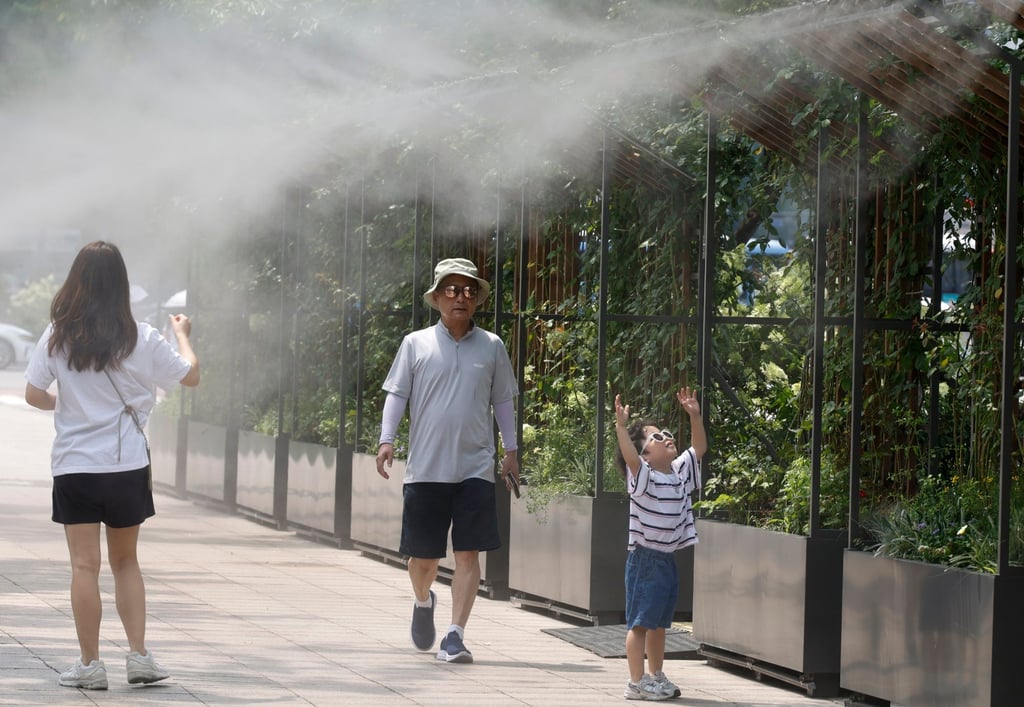
“Extreme heat emergency” will be triggered when the daily perceived temperature is forecast to hit 38 degrees, or when actual mercury readings are expected to eclipse 39 degrees. It is a threshold designed to signal a shift from discomfort to a legitimate threat to public health and infrastructure.