
The best books in a paperless digital age are people with stories to tell ... but are you listening?
- Concept of human library where one can borrow and ‘read’ people with actual experiences may be the answer to the demise of books and an overreliance on gadgets

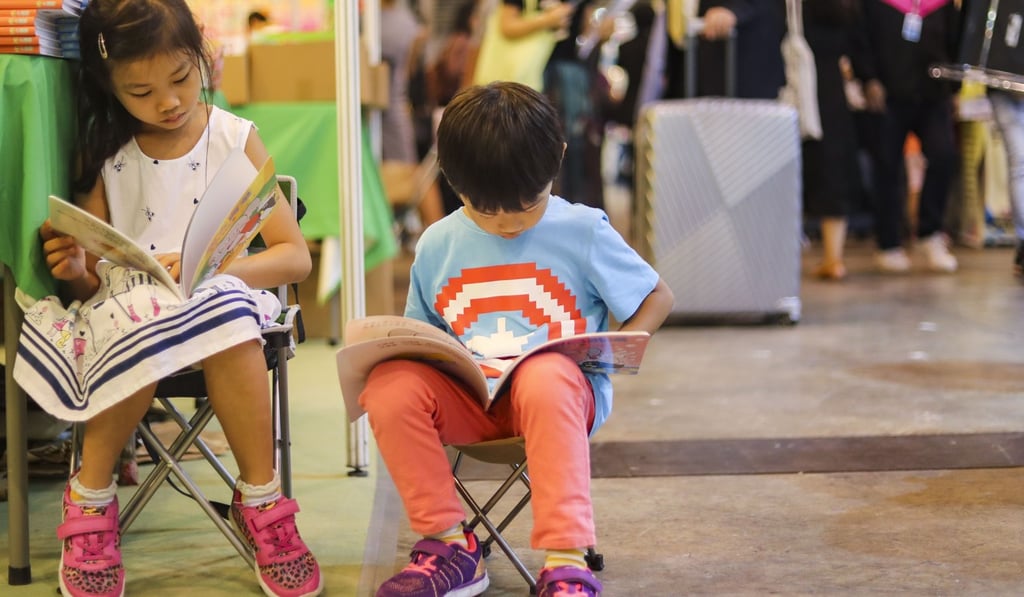
When was the last time you read a real good book? To be honest, nowadays it is really rare to see people read for pleasure any more.
And it is almost impossible to get young people to read books as it is generally perceived to be a habit for older or nerdy people, or those who do not have a life.
I remember when I was travelling on the Trans-Siberian Railway in 1989, almost everyone in the dining car (myself included) was reading Riding the Iron Rooster – a travel book by Paul Theroux. The book was a good conversation opener. That train journey was made memorable partly because of the passengers I met who were willing to make conversation and share their stories with me.
Today, most of us have evolved from human to “digital” beings and prefer to seek companionship with electronic devices instead. These devices are not only killing conversation but also human bonding.
It is basically what economists describe as “opportunity costs”, which means losing the potential value of something when you choose to do one thing instead of another. Some of these opportunity costs could be quite high and, in the case of travelling or socialising with friends or even strangers, you lose the chance to boost social connectedness or even gain a valuable experience of a lifetime.