Legacy in ink: how calligraphy links China’s political heritage to academic institutions
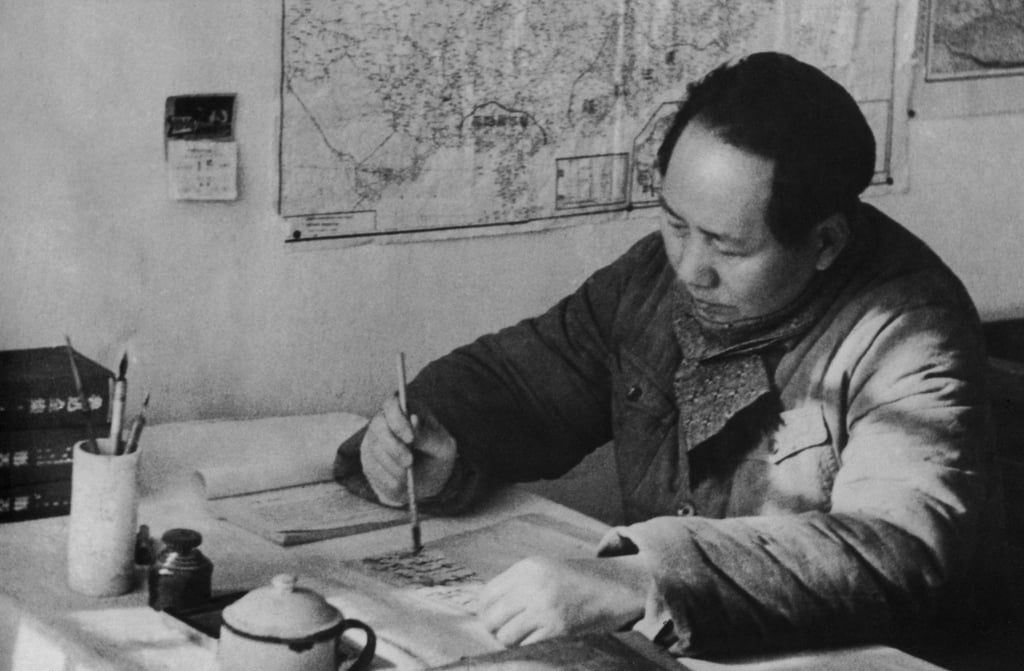
Around 40 universities feature names inscribed by Mao Zedong, whose distinctive running script-style handwriting is widely recognised

Prestigious universities in China carry a rich tradition of showcasing their names on entrance gates, inscribed in calligraphy by renowned political leaders, reflecting both political history and academic prestige.
Calligraphy, the art of writing, is a revered traditional Chinese art form that was historically valued above all others.
In ancient China, calligraphy was an elite art, its aesthetics meticulously regulated by imperial authority. For instance, during the Qin dynasty (221–206 BC), the small seal script, or xiaozhuan, was developed to standardise Chinese writing across the nation.
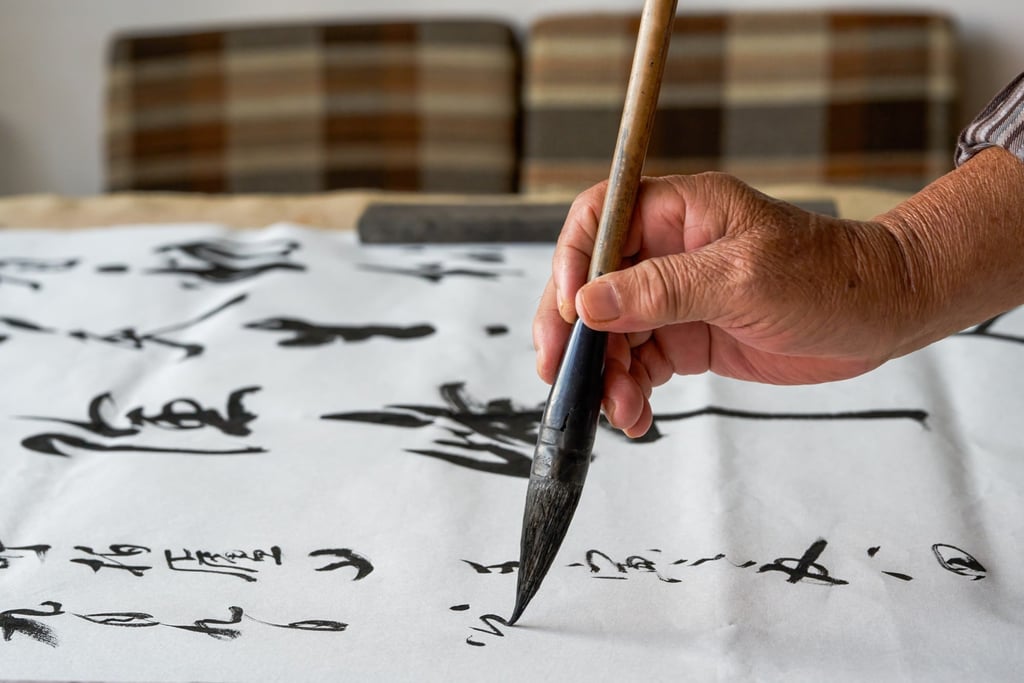
Throughout history, numerous Chinese emperors were esteemed calligraphers. Emperor Huizong of the Song dynasty (960–1279) is particularly noted for creating the Slender Gold calligraphy style, which remains a popular choice in contemporary graphic design.
Following the establishment of the People’s Republic of China in 1949, political leaders gained recognition for their calligraphy, with their artistic talents celebrated by universities across the nation.
Of the more than 110 elite Chinese universities that are part of Project 211, over 70 per cent reportedly feature names inscribed in calligraphy by political leaders. Project 211, initiated by the Chinese government in 1995, aims to enhance research and educational standards at about 100 top-tier universities for the 21st century.
About 40 universities boast names inscribed by Mao Zedong, whose distinct running script-style handwriting, known as “Mao style calligraphy,” is widely recognised.