Asian high-net-worth families show more urgency to start legacy planning after Covid-19 pandemic
- Family-owned firms comprise 80 per cent of Asia-Pacific businesses and play a significant role in region’s economies, yet have fallen behind when preparing their succession
- Wealthy patriarchs and matriarchs increasingly want expert help with holistic wealth management plans, including detailed wills and life insurance policies to avoid future disputes

[Sponsored article]
Asia’s family-owned companies represent 80 per cent of Asia-Pacific businesses and contribute to 32 per cent of the world’s total market capitalisation, according to research carried out by the Business Families Institute (BFI) of Singapore Management University.
These organisations play a significant role in the development of their countries’ respective economies, but many are still falling behind when it comes to their succession or legacy planning – the process of deciding how to bequeath assets to loved ones after a person’s death.
“Unfortunately, many Asian families do not like the term ‘succession planning’,” Annie Koh, professor emeritus of finance at the BFI, says. Succession planning is often regarded as a taboo topic because the heads of family businesses often get touchy about matters concerning their deaths, she says.
Many Asian family businesses are also still new to the game of legacy and succession planning. “In a large part of Asia, many traditional family businesses are first- or second-generation, going on to the third,” Koh says. “We don’t have long lineages like European or Japanese families, where the family values are ingrained into the business.”
However, the chaos and sudden loss of life caused by the Covid-19 pandemic has sparked a growing urgency among many senior business owners to make important wealth management plans for when they are no longer around.
Koh says that in the past three years, BFI has received an increase in inquiries from business families asking for expert advice about legacy planning.
“Covid was a wake-up call for the older generation,” she says. “In the past, many elderly people thought that simply by raising their children correctly they would know what to do to preserve the name of the family. But that is not a sound strategy at all.”
Vital parts of a wealth management plan
Koh says the first and most important step to preparing a holistic wealth management plan is for people to write a detailed will that covers all of their assets – both tangible and intangible. If a person dies without having made a will, all of the person’s assets will come under state jurisdiction, as dictated by local intestacy laws.
A court-appointed administrator will manage and distribute the deceased person’s assets, which may or may not be in accordance with their wishes. The absence of a will could also lead to growing resentment and conflict between surviving family members.
Koh says another important part of legacy planning involves having life insurance. This ensures a person’s trustees are able to receive a payout upon producing the death certificate. “A good legacy plan should have a diversity of assets,” she says. “That’s because not all assets can have both value and liquidity at the same time.”
For business owners planning their succession, passing on the baton may not be as straightforward as the family’s younger generation taking over leadership of the company.
Koh says some families may choose to sell the business and set up an investment company in its place, which is how many “family offices” in Asia were set up. Family offices are privately held companies that handle wealth management for a single family, with the intention of developing and transferring wealth across generations.
Family patriarchs and matriarchs with young children should consider setting up a trust fund to help the minors manage their inheritance until they have come of age, Koh says. “This ensures the interests of young or vulnerable beneficiaries are protected, as any financial decision would have to go through a trustee, who has a statutory obligation to act in the best interests of the beneficiaries,” she says.
With so many variables, it’s important to start planning – and soon, Yupana Wiwattanakantang, associate professor of finance at the National University of Singapore Business School, says. “When you’re running a business, there is always something to deal with each day and so you tend to put it off until it’s too late.
Expert advice crucial for legacy planning
“Putting together a legacy plan is a process; it’s not a one-off affair. There are many factors to consider – what is the structure of the plan, can we try implementing some of the constitutions of the plan to see what works and doesn’t work, and so on. [This is why] it’s important to get specialist help.”
She says that getting help from an expert consultancy is useful as it will be able to provide a more objective view, which is crucial when putting together a legacy plan.
Citigold Private Client, which caters to high-net-worth-individuals, is one such specialist. Designed especially for investors with investible assets of S$1.5 million (US$1 million) or more, it offers a holistic suite of wealth solutions, including portfolio and wealth management.
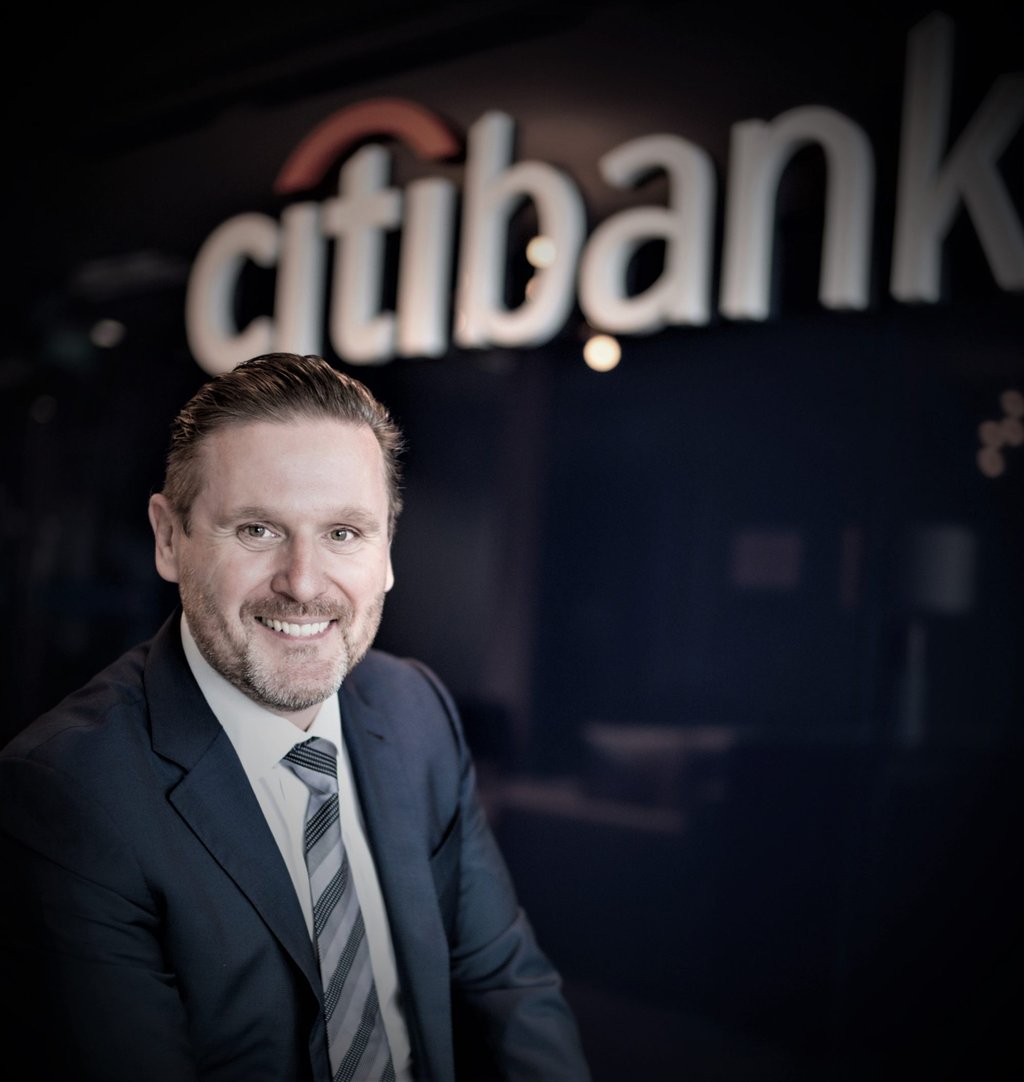
“Our seasoned senior Citigold Private Client relationship managers undergo training at renowned institutes such as the Citi | Wharton Global Wealth Institute and most of them have at least 10 years of experience,” Matt Read, retail banking head at Citibank Singapore, says.
“This expertise is complemented by a team of highly experienced specialists, including portfolio counsellors, insurance specialists and mortgage advisers.”
Citigold Private Client customers can also take advantage of Citi’s proprietary wealth management tools. These include the Portfolio 360°, which can assess the total risk-return profile of their multi-asset portfolio through various market scenario analyses, and the Citigold Diversification Index, which helps to determine the diversification level of their investments.
“Having a well-balanced and diversified investment portfolio, which seeks to capture global opportunities, is effective in weathering market volatilities and fluctuations over time,” Patrick Sin, head of portfolio counsellors at Citibank Singapore, says.

With Citigold Private Client, customers also get access to global wealth insights backed by over 350 research analysts worldwide, providing the latest market news, global banking privileges such as free ATM withdrawals at Citi ATMs worldwide, access to Emergency Cash and global status recognition.
What’s more, Citi’s partnership with AIA entitles its clients to enjoy an array of privileges when they purchase any eligible AIA insurance plans and meet the qualifying premium for the AIA Altitude.
Members get access to an exclusive suite of lifestyle privileges, advanced healthcare services and bespoke experiences, such as priority services, complimentary will writing services as well as exclusive perks and event invitations. All of these privileges and services are aimed at helping members optimise their well-being while working on elevating their wealth.
However, perhaps the unique benefit of Citigold Private Client is its exclusive partnership with The Wharton School – University of Pennsylvania, the next generation programme that aims to equip the children of Citigold Private Client customers with the skills to become future business leaders and entrepreneurs.