Dreame Draws Silicon Valley Stars to San Francisco Launch
- Dreame Technology is staging a four-day product launch this week at San Francisco, its largest overseas event yet as it pushes deeper into global markets.

[The content of this article has been produced by our advertising partner.]
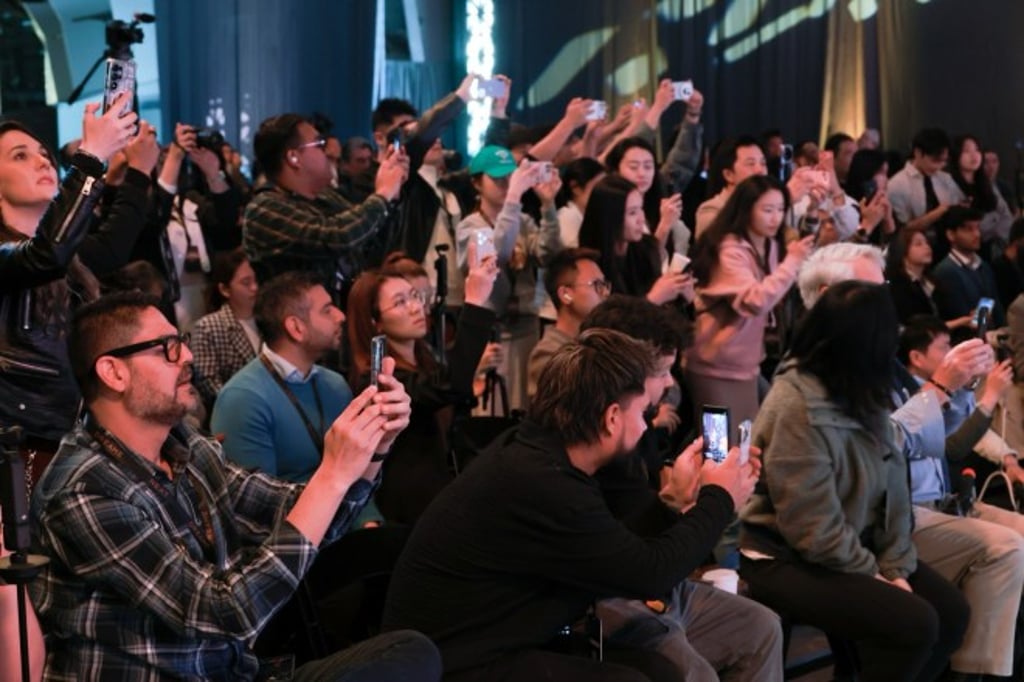
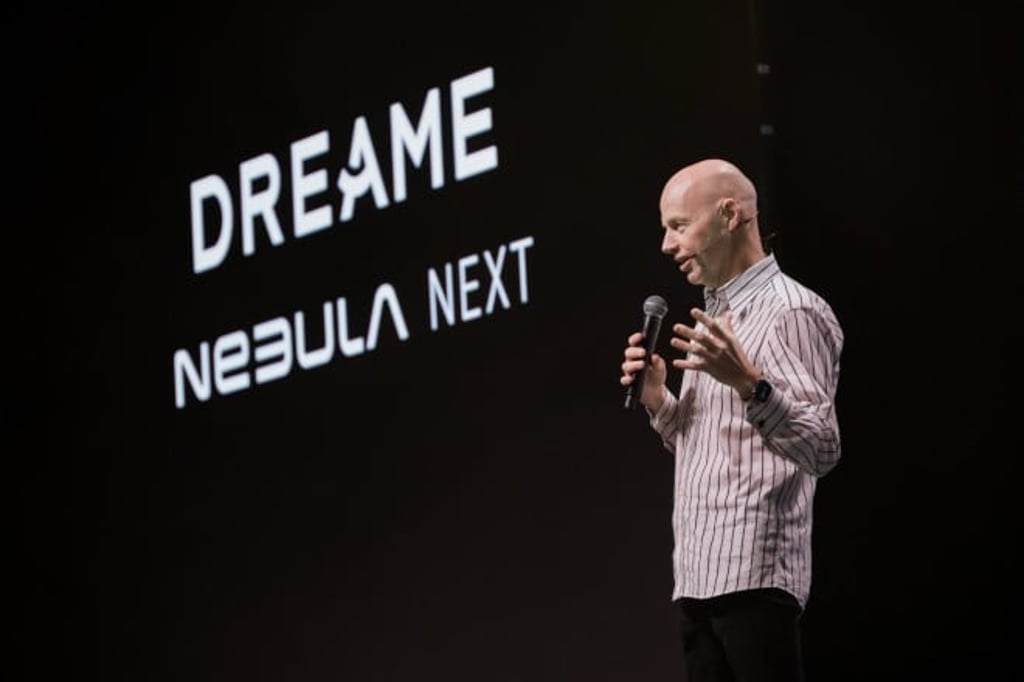
The event features Turing Award laureate David Patterson, former NASA scientist Sylvia Acevedo and Stanford's Sebastian Thrun, a lineup that reflects the attention the Chinese company has begun to attract in Silicon Valley.
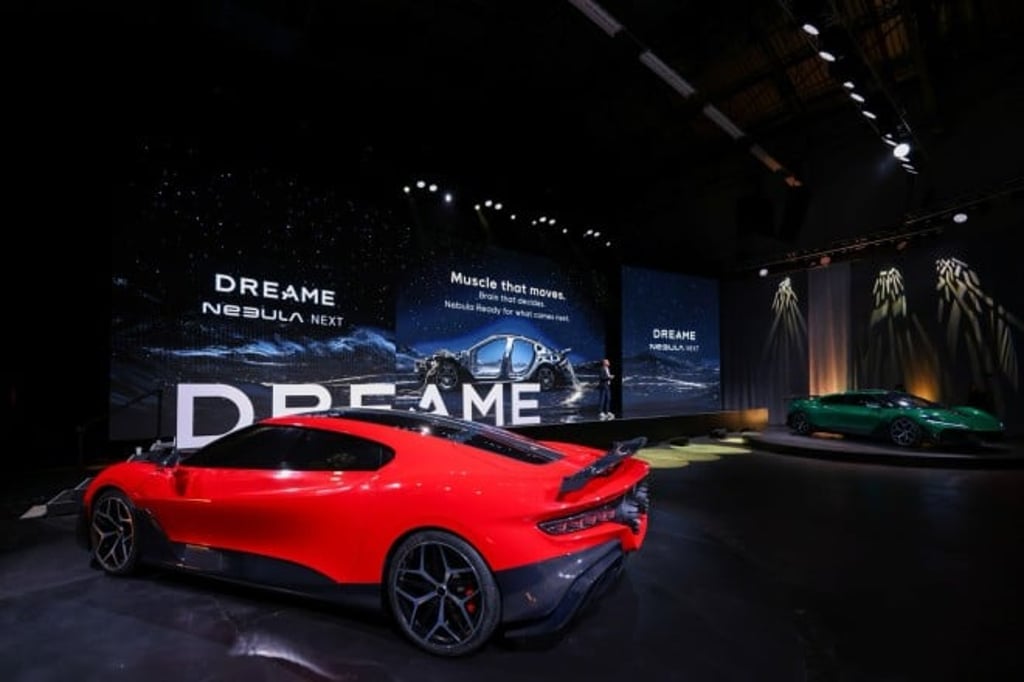
And for good reason. Dreame, which built its business on high-speed digital motors, has spent the past two years expanding into appliances, personal care, wearables and, at this week's event, what it describes as a rocket-powered vehicle.
Chinese companies have long dominated global manufacturing but struggled to build premium consumer-tech brands abroad. Dreame may be the one that changes that, and its rise points to a new model for Chinese hardware brands: lead with technology, and the rest will follow.
CEO Yu Hao studied aerospace engineering at Tsinghua University before founding Dreame in 2017. His first breakthrough was a motor spinning at 100,000 RPM, a speed only Dyson had previously reached.
Dreame's robot vacuums have passed 11 million units in cumulative global sales and lead market share in 30 countries, with shares above 40% in 18 of them, including Germany, Switzerland, Belgium and Denmark. North American sales of robot vacuums, wet-dry cleaners, cordless sticks and hair dryers all more than doubled year on year in the first quarter of 2026.
Less visible in those figures is a shift in how the company sells. Most hardware brands at this stage remain structurally dependent on Amazon, cutting that exposure only when margin pressure forces it.
Dreame has made that shift early. The company opened its first U.S. physical store in October 2024 and has since expanded to multiple flagship locations; by the fourth quarter of 2025, offline retail accounted for more than 20% of North American sales. Dreame runs the same playbook elsewhere, operating more than 6,500 physical retail locations globally.
That success has fed a broader expansion: Dreame now competes across more than a dozen product categories, from pool cleaners and lawn-mowing robots to hair care devices and from automotive powertrains to precision motion systems.
The growing product range raises a natural question about the company's direction. Is this focused expansion, or a brand that has lost its center?
To Yu, however, the question misses the point. In his framing, a handful of compounding capabilities drive every Dreame product: high-speed digital motors, precision actuation, real-time perception AI. Dreame refines them, then redeploys them. The same engineering discipline that pushes high-speed digital motors to 200,000 RPM also enables breakthroughs in other domains, from automotive powertrains to precision motion systems. The physical device is the shell. The engineering is the product.

This week's event will not settle the question of whether Dreame can join the ranks of the world's great technology brands. But the fact that Wozniak, Patterson and their peers have agreed to share its stage suggests Silicon Valley, at least, has already made up its mind.