For the month of March, Hong Kong lives and breathes art. That goes especially for Art Week – March 25-29 – with Art Basel Hong Kong and Art Central on, and a citywide constellation of exhibitions orbiting them. Then the city does more than display masterpieces: it holds up a mirror to Hong Kong’s evolving soul. The reflection captures more than technological advances or aesthetic trends. One of the most telling changes has been happening behind the canvas, in the shifting identity of those who make art – and, crucially, those who collect it.
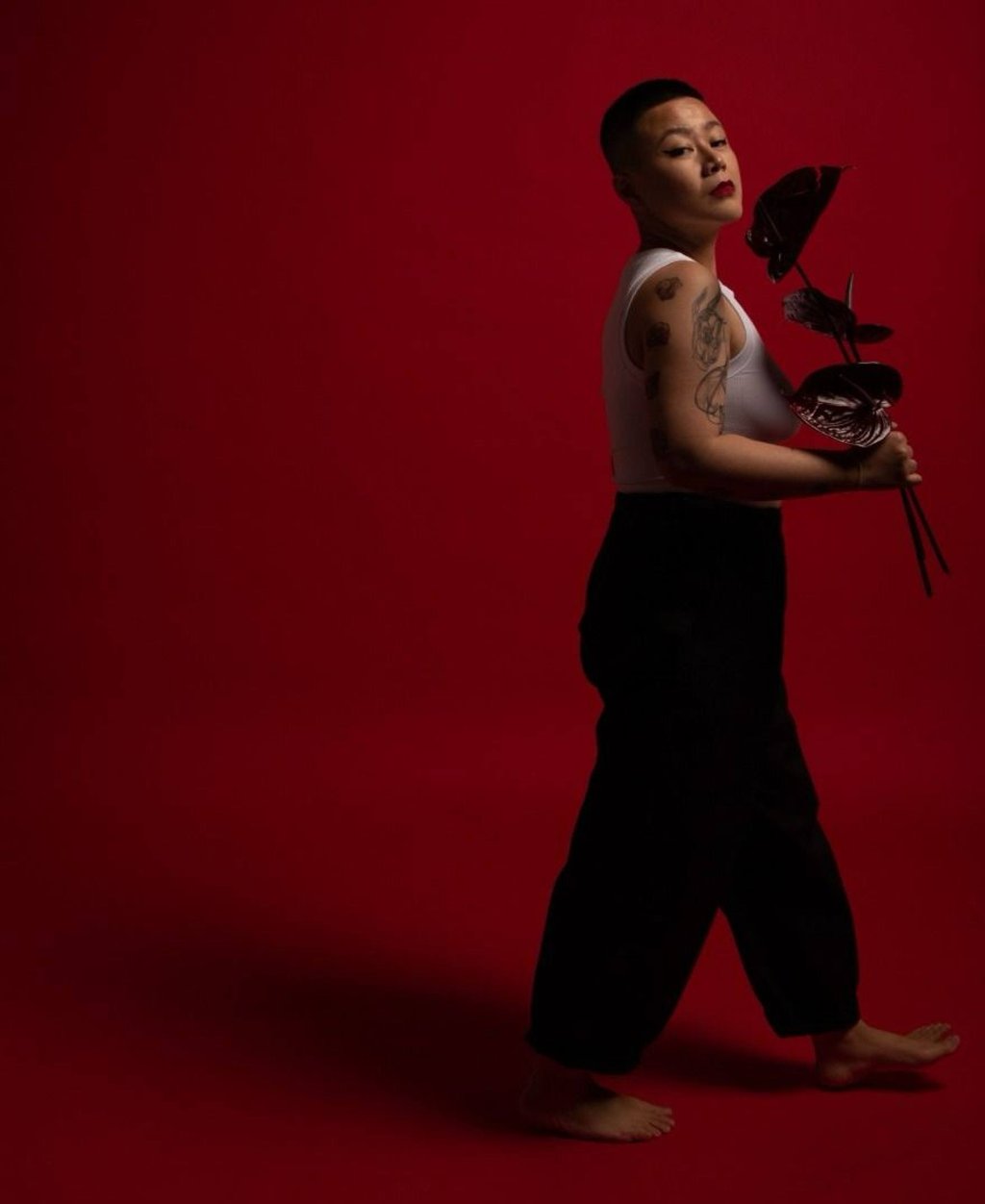
“Historically, women were largely excluded from systems of artistic production and patronage,” explains Dr Sonia Wong, a gender studies scholar, activist, artist and art collector. “They’ve been denied training, authorship and circulation, while being positioned as aesthetic objects rather than subjects.”
Collector Dr Sonia Wong makes a point of buying art outside the market system. Photo: Handout
Indeed, art collecting has long been a privilege of established power: be it European aristocrats, merchant bankers or the Chinese literati. As a result, the dominant gaze, inherently male, was normalised as universal, rendering women’s ways of seeing marginal or invisible. “But these days,” Wong says, “we’re seeing a clear shift. That’s a direct result of the transfer of wealth and social capital to women.”
Advertisement
Data now confirms this is a structural shift, not a passing trend. A 2021 UBS report estimated that by the end of 2024, women would control more than a third of global wealth – and a significant portion is being directed towards art. According to the Art Basel & UBS Survey of Global Collecting, high-net-worth women spent, on average, 46 per cent more on art and antiques than their male counterparts in 2024. But they aren’t just spending more; they’re spending differently. These women collectors are deliberately curating portfolios where 49 per cent of the works are by female artists, compared to 40 per cent for men, and revealing a marked openness to emerging talent and higher risk tolerance.
Most notably, the epicentre of this shift is in China. While the global average spending in 2024 was US$438,990 for an average of 14 works, this high figure was propelled by a powerful cohort of female collectors from mainland China, whose expenditure was more than twice that of their male counterparts.
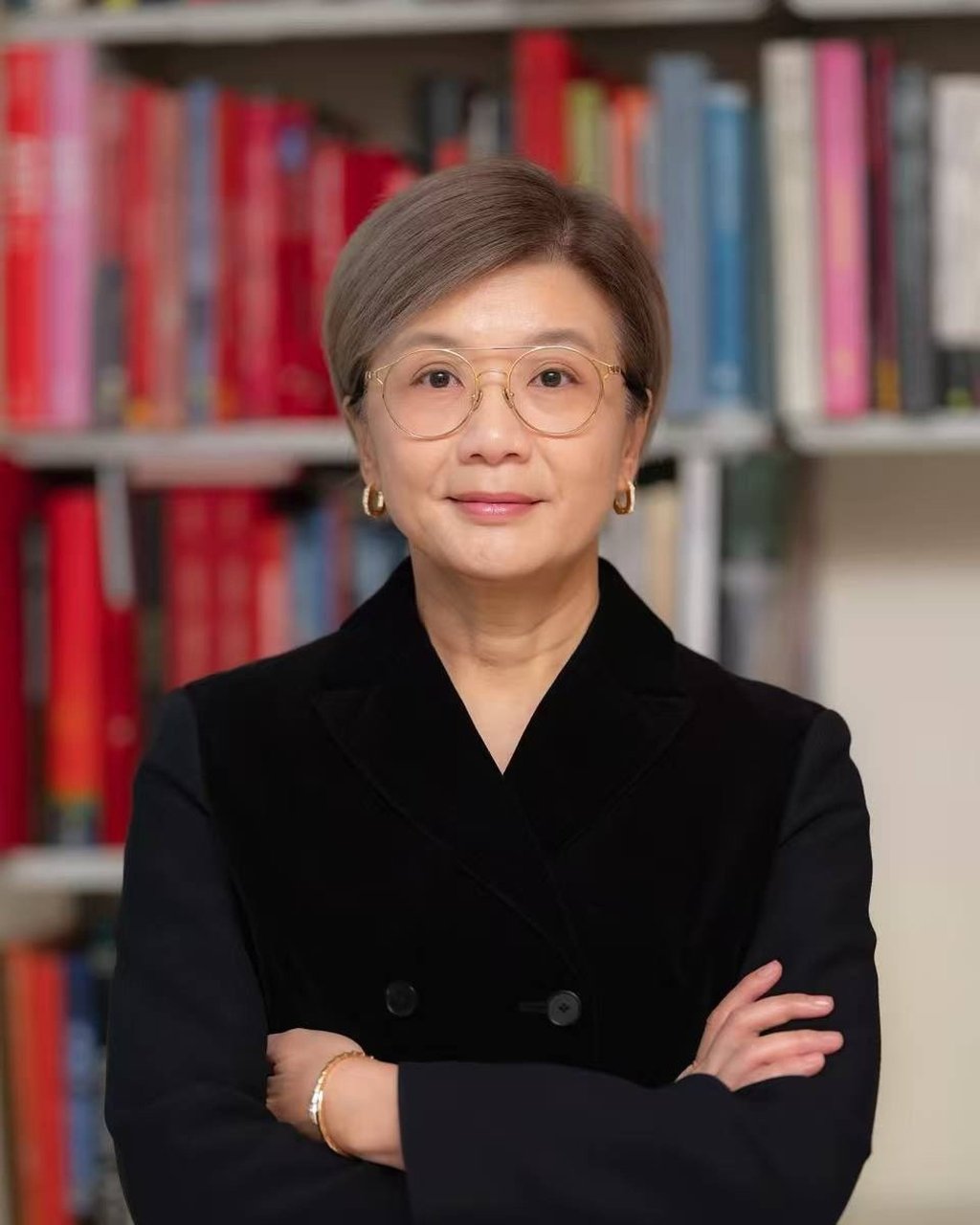
Evelyn Lin, chairman of modern and contemporary art at Sotheby’s Asia. Photo: Handout
This isn’t a sudden emergence, but an evolution. “There has always been a presence of female collectors in the region, and they’ve been very open-minded and diverse in taste,” notes Evelyn Lin, chairman of modern and contemporary art at Sotheby’s Asia. “It is also more than natural for female collectors to resonate with, and therefore become, essential patrons of female artists.”