Why parents and schools are rethinking sharing kids’ photos on social media
‘Sharenting’ can expose children to privacy breaches and identity theft, but schools still use students’ photos as marketing – where is the balance?

Her daughters are now six and eight, but the comment prompted her to think ahead. “How will my kids feel when they see [their faces] in the future?” she wondered.
That question is increasingly being asked by millennial parents in Hong Kong. Driven by fears of digital predators, identity theft and the permanence of online exposure, many are choosing to limit – or entirely avoid – having their children’s faces shared online. Yet schools and activity centres across the city continue to photograph children routinely for WhatsApp groups, websites and social media posts, placing families and institutions in a delicate position.
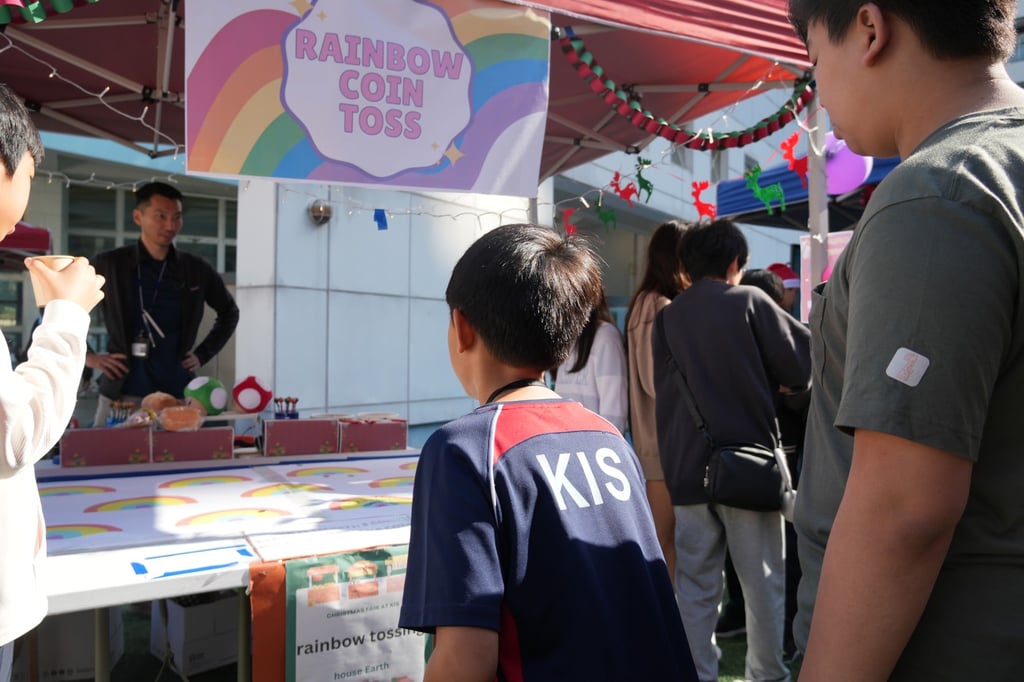
Jenny (who did not provide her last name) is not opposed to school photography. What concerns her is how identifiable children become once images are paired with personal details. “As long as they don’t put a name to the photo, I’m actually OK,” she says. “First name is fine. But not full name, not class number.”
Like many parents, she has quietly adjusted her own habits over time, sharing less as her children grow older. “When they’re babies, you don’t think much about it,” she says. “But later, you start thinking: this is their identity, not mine.” Her approach reflects a wider shift – not necessarily to full opt-outs, but to greater scrutiny of how images are used, stored and circulated.
According to Professor Anna Hui, associate professor at the Department of Social and Behavioural Sciences at City University of Hong Kong, the sense of safety parents feel in “private” digital spaces is often misleading.
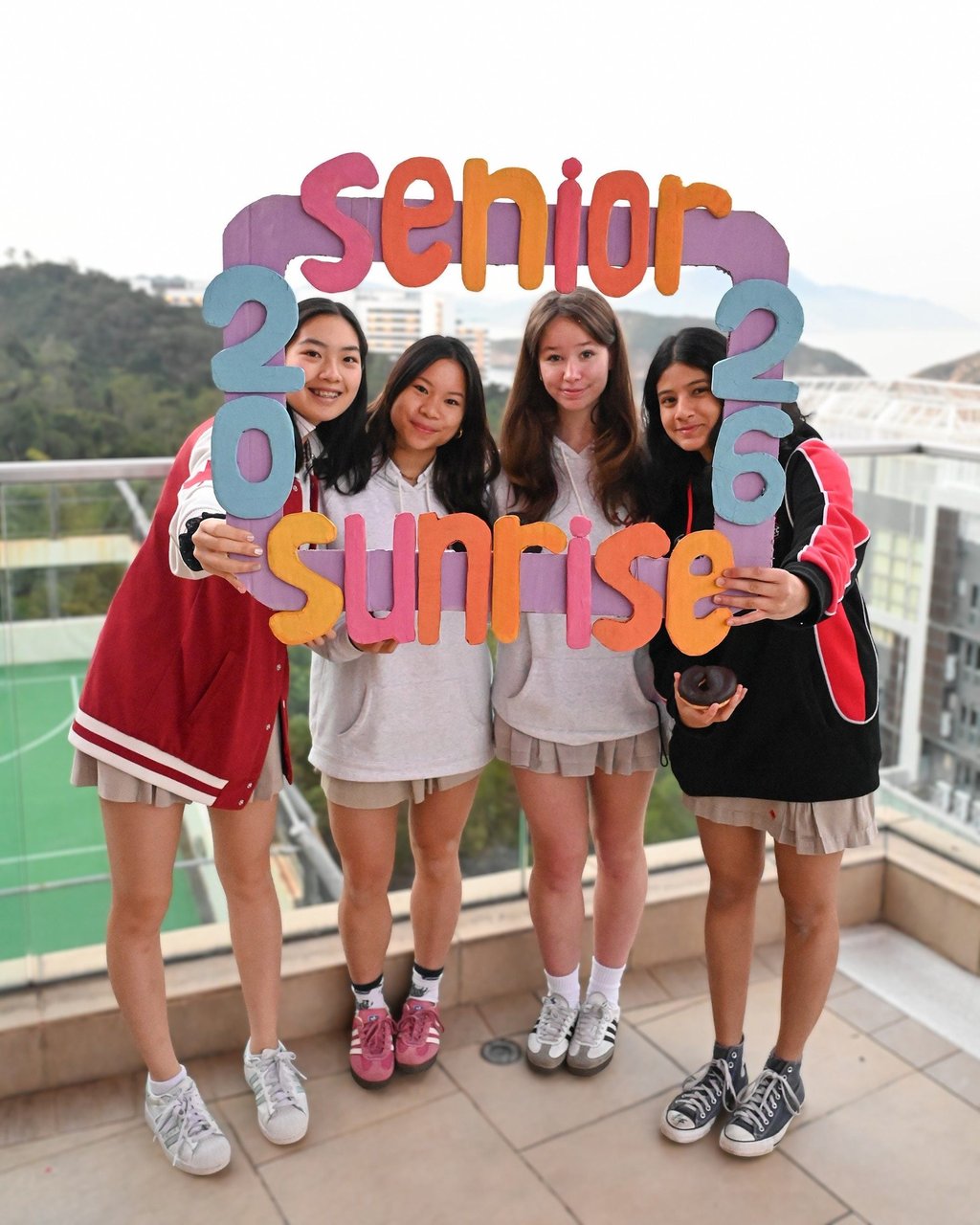
“When people think a setting is private – like a WhatsApp group – their sense of security drops,” she explains. “They tend to share more.” That information, she warns, can later be repurposed for identity theft, scams or psychological harm. Once a child’s image is linked to a full identity, it becomes part of what she calls a digital “avatar”.