How the Hong Kong Cancer Fund and artist Eleanor McColl use art to improve health
McColl innovatively combines baking and art, while the Hong Kong Cancer Fund has used art therapy to support patients and their families

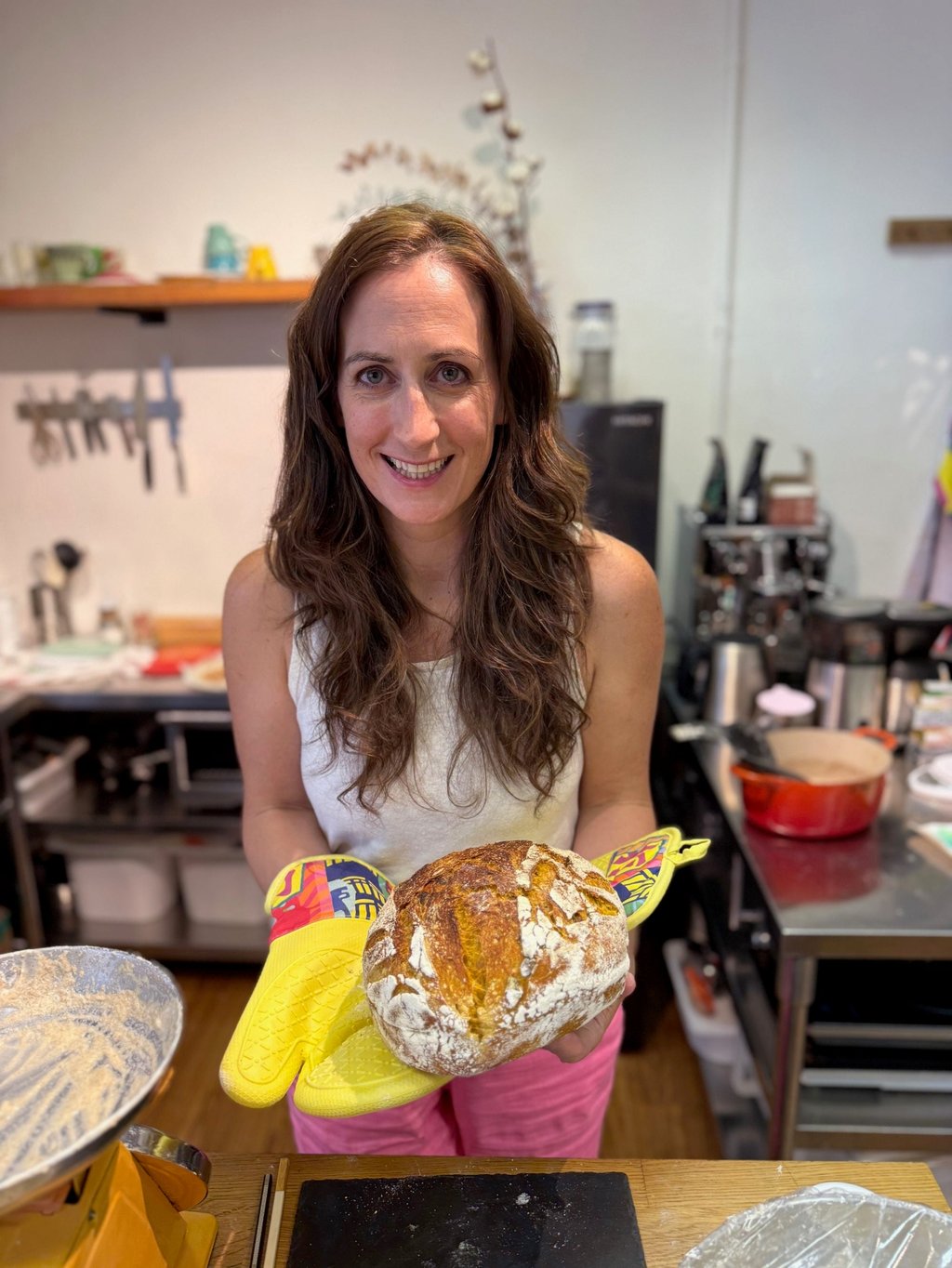
By midmorning in Kennedy Town, the small studio smells of coffee and warm sourdough. Around a small kitchen island, a group of Hongkongers knead dough in quiet concentration, phones forgotten, before washing their hands and drifting back to mixed-media canvases laid out beside paper scraps and paint. Artist and facilitator Eleanor McColl moves between them, demonstrating a fold in the dough here, a paint technique there. Later, they will sit down to an artisanal lunch of bread, cheese and pâté and – if their testimonials are anything to go by – leave feeling calmer, lighter and perhaps healed. Her invitation calls it “a journey into the art of mindful living”, and for many participants, it’s a kind of therapy.
McColl traces this practice back to a lifelong belief that creativity should be accessible to everyone. “I established my art school in 2002 and have been creating workshops for children and adults ever since,” she says. For her, the power lies in demystifying the process of creativity. “Often, it’s just a small tip or technique that enables them to realise it’s not a magical skill but something they, too, can access.” The Bake & Create workshop is simply her latest experiment in making that access truly accessible.
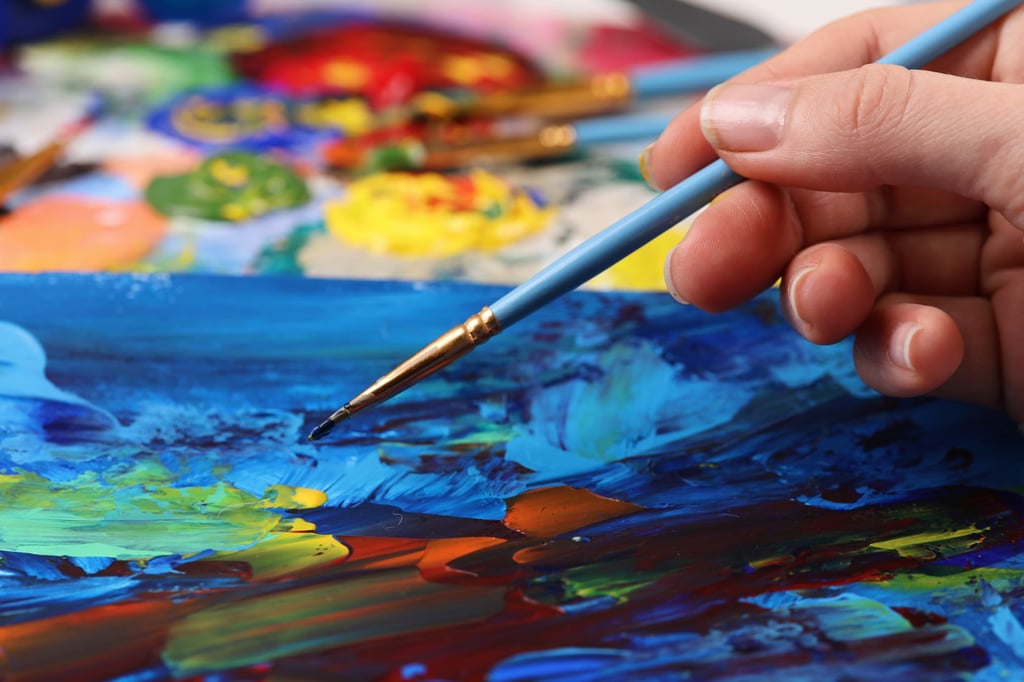
A 2023 World Health Organization (WHO) report on noncommunicable diseases (NCDs) – including cancer, cardiovascular disease, diabetes and chronic respiratory illness – argues that arts-based therapies like this can supplement both treatment and prevention. It highlights projects across Europe, from Madrid’s community art initiatives promoting healthy lifestyles to choirs in Hungary that help patients recover from respiratory illness, and even Russian schools that use reimagined fairy tales to improve health literacy. The report describes arts interventions as a non-invasive, low-risk tool that can address NCD risk factors such as stress, inactivity and social isolation, while supporting rehabilitation.
Crucially, WHO now frames these practices within “social prescribing”, where clinicians recommend concrete, evidence-based activities – from still-life drawing to gallery visits – as part of a patient’s care plan. “We are seeing that there has been a change of attitude in the healthcare community,” Nils Fietje, technical officer at WHO Europe’s behavioural and cultural insights unit, writes on the WHO site. “A few years ago, the discussion was developing around the need for more evidence. Now there is recognition that arts really improve health and well-being.” The question now for Hong Kong is no longer whether this concept works, but how far the city is prepared to go to add it to mainstream mental-health and healing strategies.
McColl’s sourdough-and-art days offer one answer, even if they sit outside the formal health system. “I have been making sourdough for five years,” she explains. “And I noticed that the meditative benefits of cooking and baking mirror those I experience during creative activities.” The workshop then grew from both friends’ requests for baking lessons and the practical problem that “since the process is lengthy, you need ample time to cover all the steps”. Her solution was to pair it with her existing mixed-media art class.
“This combination has turned out to be perfect,” she adds. “While the bread is rising, we work on our art in stages. It becomes a lovely rhythm of folding the bread, allowing it to rest for 30 minutes while adding another element or layer to your art piece, and then returning to fold the bread again.” The structure mirrors the familiar logic in public health, where cycles of focused engagement and rest, repeated over hours, nudge participants into a calmer nervous system state.