Thailand unearths Southeast Asia’s largest dinosaur, the mighty Nagatitan
Nagatitan chaiyaphumensis, named after a snake from folklore and the province where it was found, weighed as much as nine adult elephants

According to a study published in the journal Scientific Reports on Thursday, the 27 metre (88 foot) long plant-eating beast is believed to have meandered through what is now Thailand between 100 and 120 million years ago.
It likely weighed at least 10 tonnes more than Dippy the Diplodocus
“Our dinosaur is big by most people’s standards – it likely weighed at least 10 tonnes more than Dippy the Diplodocus,” said lead researcher Thitiwoot Sethapanichsakul, referring to the enormous composite cast previously on display at London’s Natural History Museum.
The creature, named Nagatitan chaiyaphumensis after a snake from Southeast Asian folklore and the province of Chaiyaphum where it was found, weighed as much as nine adult elephants.
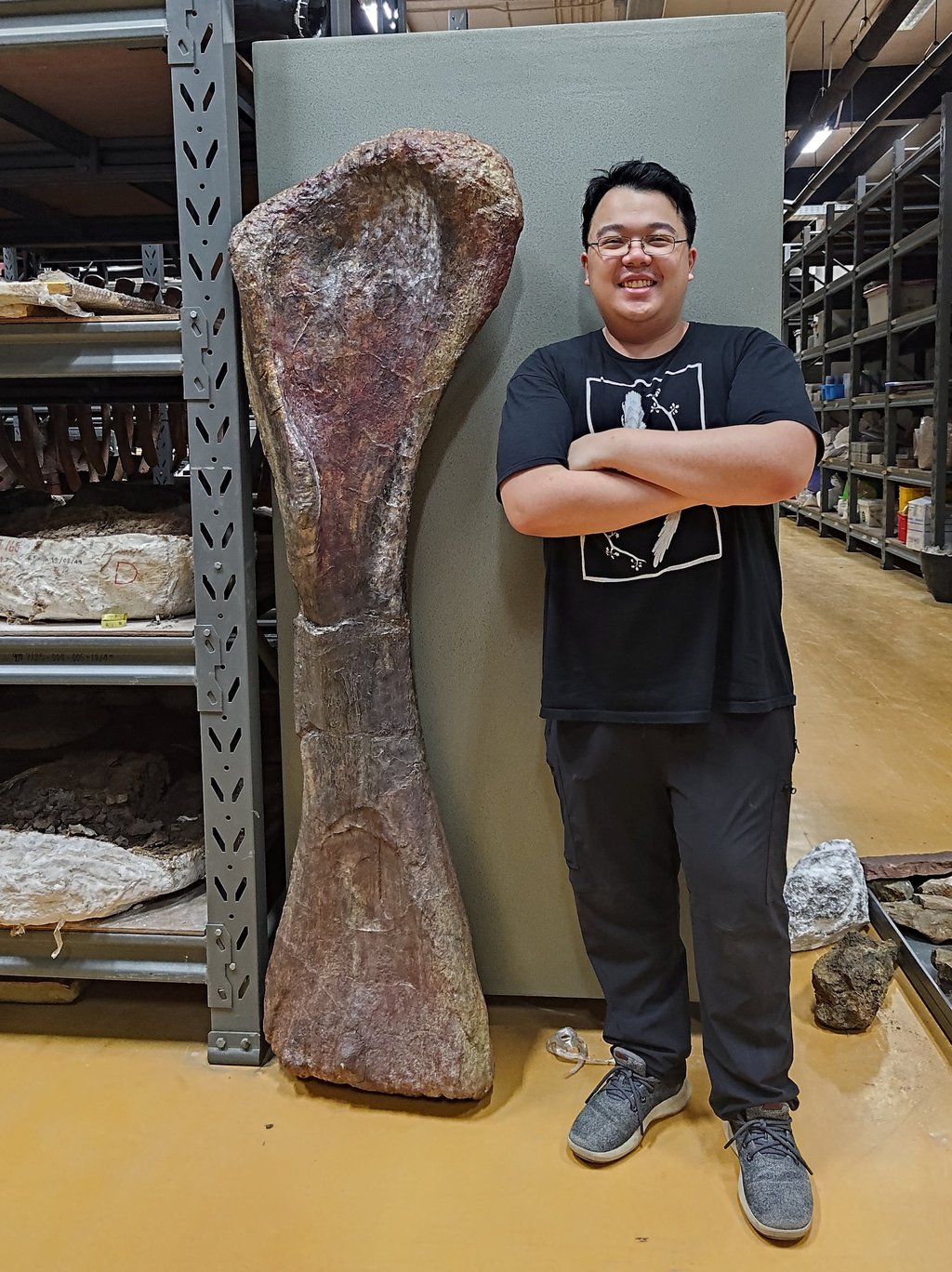
Thitiwoot described the sauropod as “the last titan” because it was excavated in one of the youngest rock formations where dinosaurs were found in Thailand, Agence France-Presse reported.
He said the region later became a shallow sea, “so this may be the last or most recent large sauropod we will find in Southeast Asia”.