Advertisement
OpinionGaza, Trump and New Zealand’s moment of truth on Palestinian statehood
Trump’s Gaza peace plan offers hope, but also forces New Zealand to confront uncomfortable questions about its role
3-MIN READ3-MIN
Listen

The situation in the Middle East is moving exceptionally fast. New Zealand and the international community had barely digested the debate about Palestinian statehood before US President Donald Trump presented a 20-point peace plan for Gaza.
There are good reasons to be sceptical about the plan’s success, given the actors involved and the lack of trust on all sides. But from New Zealand’s perspective, there are positive aspects contained within it, including:
-
The return of full humanitarian assistance and essential civil services, with aid distributed through the United Nations and its agencies, the Red Crescent and other neutral international institutions.
-
The pledge that “no one will be forced to leave Gaza, and those who wish to leave will be free to do so and free to return”.
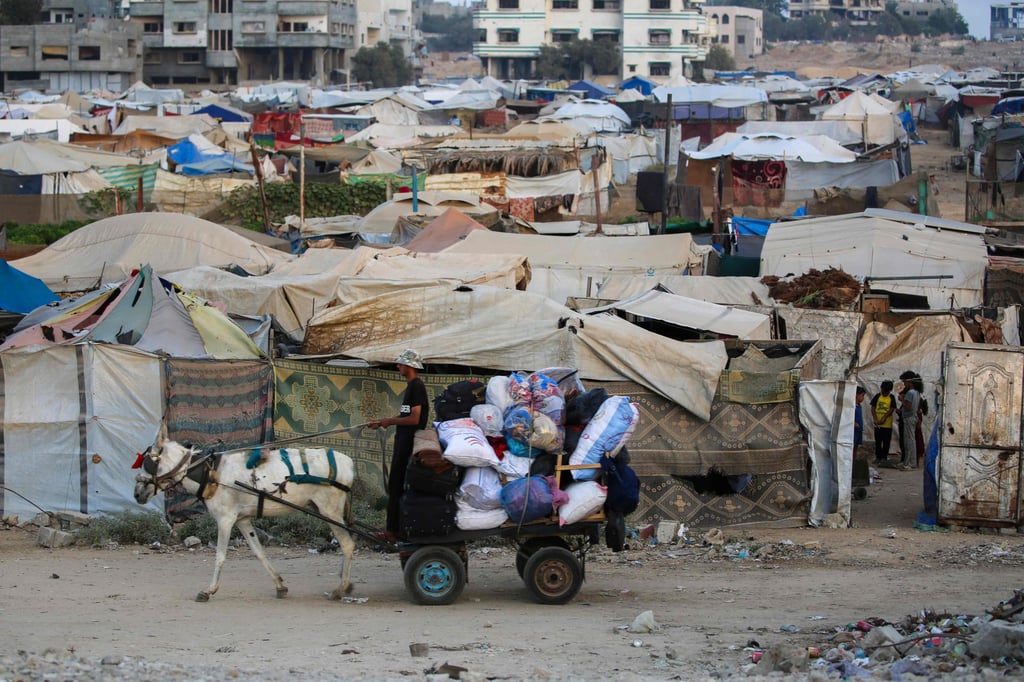
These and other points in the plan all dovetail with the conditions called for by the countries that have recently recognised Palestinian statehood, including Britain, Australia and Canada.
Advertisement
They also match New Zealand’s demands, despite the government’s decision not to recognise a Palestinian state. But things become less clear in the proposal to create and deploy an “International Stabilisation Force” in Gaza.
Driven primarily by the United States, in consultation with Egypt and Jordan, there will also be a role for “international partners” to help train and provide support to “vetted Palestinian police forces”.
Advertisement
The obvious question is whether New Zealand will be asked to help, and whether it will agree to.
Advertisement
Select Voice
Select Speed
1.00x